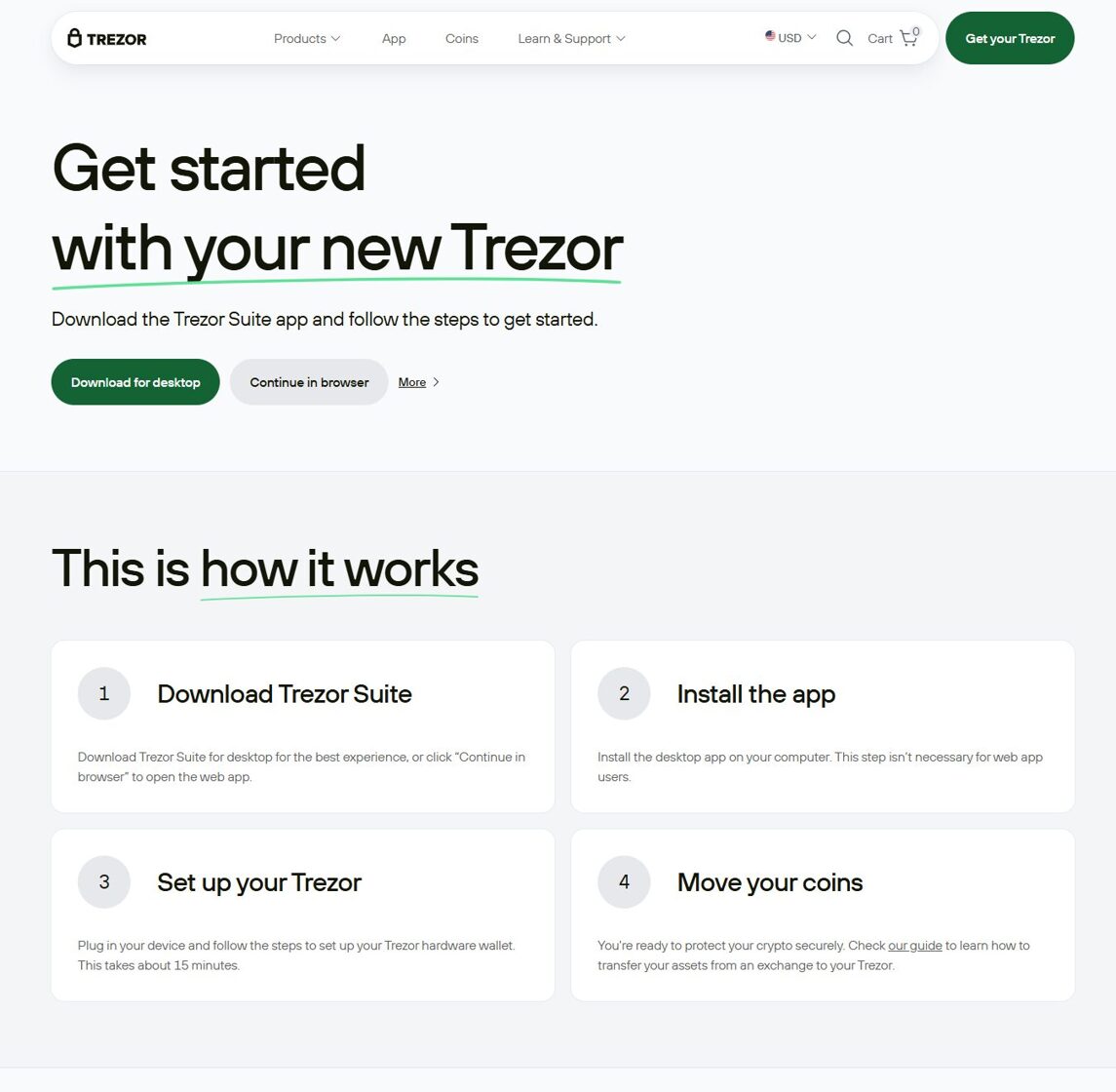
Trezor.io/start – Complete Guide to Setting Up Your Trezor Wallet
Trezor.io/start is a starting point for users who want to configure a Trezor hardware wallet and learn the basics of secure digital-asset management. Unlike a software-only wallet, a hardware wallet is a physical device designed to keep important wallet operations separated from the everyday environment of a computer or phone. Taking the time to complete the setup carefully can help users understand how their device works and how to protect their wallet information.
Whether you are using a Trezor device for the first time or preparing a new wallet, the initial setup should always be completed using trusted software and verified instructions. Avoid unofficial websites, unknown downloads, and messages that ask for confidential wallet information.
What Is Trezor.io/start?
Trezor.io/start can be used as a reference point for beginning the Trezor wallet setup process. The setup generally involves preparing the hardware wallet, connecting it to compatible software, completing device configuration, and establishing the security information needed to manage the wallet.
The exact instructions may differ depending on your Trezor model and the current software environment. For that reason, users should follow the instructions displayed by their current Trezor software rather than relying on outdated guides.
The most important goal is to make sure the hardware wallet is configured correctly before using it to manage digital assets.
Prepare Before Starting the Setup
A smooth setup begins with a few simple preparations. Keep your Trezor hardware wallet nearby and use a trusted computer or compatible device. Make sure your internet connection is reliable and that the operating system is reasonably up to date.
You should also avoid downloading wallet software from random search results or third-party websites. Phishing websites can sometimes imitate legitimate wallet pages and may attempt to collect sensitive information.
Before continuing, verify that you are using a legitimate Trezor source and carefully check the website address.
Connect Your Trezor Device
Once your setup environment is ready, connect your Trezor hardware wallet using a compatible USB connection. Open the supported Trezor software and follow the instructions provided on the screen.
The physical device plays an important role throughout the setup and transaction process. Depending on the model and software, you may be asked to confirm certain actions directly on the hardware wallet.
Do not approve an action simply because it appears on your computer screen. When your Trezor device displays information for confirmation, review it carefully before proceeding.
Create a Secure Wallet Environment
Setting up a hardware wallet involves more than simply connecting a device. You also need to understand how recovery information works.
Your recovery seed is one of the most important pieces of information associated with your wallet. It should be recorded and stored according to the instructions provided during setup. Keep it somewhere private and secure, preferably offline.
Never share your recovery seed with friends, strangers, websites, support agents, or anyone contacting you through email or social media. A person who obtains your recovery information may be able to restore the wallet elsewhere.
Never Enter Your Recovery Seed Online
Be particularly cautious if a website claims that you must enter your recovery seed to:
- Verify your wallet
- Unlock an account
- Receive a payment
- Fix a connection problem
- Synchronize your device
- Upgrade your hardware wallet
- Contact customer support
These requests should be treated as a major security warning.
Manage Digital Assets After Setup
After the initial configuration is complete, compatible Trezor software can provide tools for managing supported digital assets. Depending on the device and software you use, available functions may include viewing balances, reviewing transactions, receiving assets, and preparing transactions.
When sending cryptocurrency, always review the transaction details on the hardware wallet itself. Check the recipient address and amount carefully before approving the transaction.
A transaction should only be confirmed when the information shown on your device matches what you intended to do.
Keep Your Trezor Setup Updated
Maintaining your wallet environment is an ongoing responsibility. Use current, compatible software and follow legitimate update instructions when they become available.
Avoid clicking on unexpected update links received through email, messaging platforms, advertisements, or social media. Instead, navigate to a trusted Trezor source yourself.
If your device suddenly behaves differently or a website requests unusual information, stop and verify the situation before continuing.
Trezor.io/start Troubleshooting Tips
Sometimes a computer may not immediately recognize a connected hardware wallet. Basic troubleshooting can include checking the USB connection, reconnecting the device, restarting the supported wallet software, and ensuring the necessary software is properly installed.
If the problem continues, consult current official support documentation rather than downloading unknown programs or accepting remote assistance from an unverified person.
Never provide your recovery seed to someone offering to repair or restore your wallet.
Best Security Practices for Trezor Users
A secure Trezor experience depends on consistent habits. Use strong computer security, avoid suspicious websites, and keep sensitive recovery information offline.
You should also verify addresses carefully before sending funds. Cryptocurrency transactions can be difficult or impossible to reverse once confirmed, so taking a few extra seconds to review the information can be extremely important.
Remember that your hardware wallet, PIN, and recovery information should be treated as private security credentials.
Frequently Asked Questions About Trezor.io/start
Is Trezor.io/start used for wallet setup?
It can serve as a starting point for accessing Trezor setup information and beginning the hardware wallet configuration process.
Do I need a computer to set up a Trezor wallet?
The available setup process depends on the Trezor model and supported software. Follow the current instructions provided for your specific device.
Should I share my recovery seed with support?
No. Your recovery seed should remain private. Be suspicious of anyone who asks you to disclose it.
What should I do if my Trezor is not detected?
Check the cable and connection, reconnect the device, restart compatible software, and consult legitimate Trezor troubleshooting documentation if necessary.
Final Thoughts
Trezor.io/start can help new users begin their hardware wallet journey with a structured setup process. The most important part is not simply completing the installation but understanding how to protect the wallet afterward. Use trusted software, carefully follow current instructions, protect your recovery information, and verify transactions directly on your physical device. By combining the right setup process with sensible security practices, you can create a dependable environment for managing supported digital assets with your Trezor hardware wallet.